United States, 14th Sep 2026 - Advances in minimally invasive surgery continue to give surgeons new ways to approach complex gastrointestinal procedures. One emerging technology attracting attention is magnetic anastomosis, a technique designed to create connections between sections of the gastrointestinal tract using specially designed magnetic devices.
Patrick Chiasson, MD, MA, FACS, believes this technology is still in the early stages of what could become a much broader role in gastrointestinal and bariatric surgery.
His practice was the first in Arizona to utilize the GI Windows magnetic anastomosis platform to create a small bowel connection during gastric bypass surgery. For Dr. Chiasson, that milestone represents more than the introduction of a new surgical tool. It offers a glimpse at how GI procedures may continue to evolve.
A Different Approach to Creating GI Connections
An anastomosis is a connection between two structures in the body. During many gastrointestinal operations, surgeons must create a connection between portions of the stomach or intestines to establish a new pathway through the digestive system.
These connections have traditionally been created using techniques such as suturing or surgical stapling. Magnetic anastomosis offers another approach.
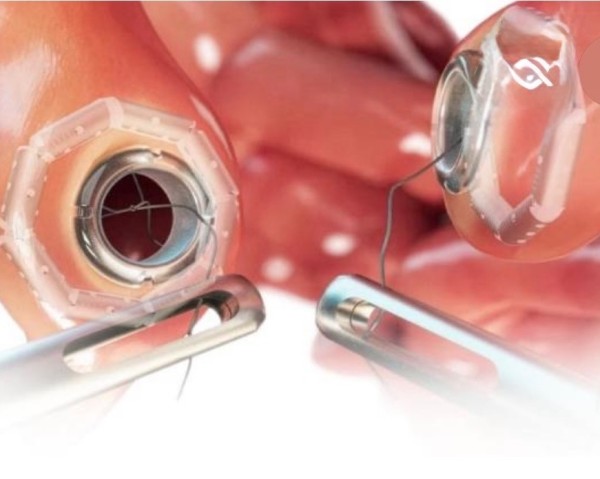
Specially designed magnets are positioned to bring two sections of gastrointestinal tissue together. Controlled compression between the magnets allows a new connection to form as the surrounding tissue heals.
The concept could give surgeons another option for accomplishing an important step in a variety of gastrointestinal procedures.
Arizona's First Use During Gastric Bypass Surgery
Dr. Chiasson's practice became the first in Arizona to use the GI Windows magnetic anastomosis platform for the creation of a small bowel connection during gastric bypass surgery.
Introducing new surgical technology requires careful evaluation, appropriate patient selection and an understanding of how the technology fits within established surgical techniques. Dr. Chiasson sees the Arizona procedure as an early example of what may eventually become a much broader range of applications.
Potential Beyond Bariatric Surgery
Although magnetic anastomosis can be used during bariatric procedures, its potential applications may extend beyond weight-loss surgery.
Many gastrointestinal operations involve joining one portion of the digestive tract to another. As magnetic technology develops, surgeons may discover additional opportunities to use it during minimally invasive, laparoscopic, robotic and endoscopic procedures.
One of the most interesting possibilities is the potential to make certain gastrointestinal connections more efficiently while continuing to focus on surgical safety and consistency.
Innovation in Minimally Invasive GI Surgery
Modern gastrointestinal surgery has changed dramatically as surgeons have adopted increasingly sophisticated minimally invasive techniques. Procedures that once required large incisions can now often be performed through laparoscopic, robotic or endoscopic approaches.
Magnetic anastomosis represents another step in that continuing evolution.
Rather than viewing the technology as simply an alternative way to perform one part of gastric bypass surgery, Dr. Chiasson believes its greater significance may ultimately come from how surgeons adapt it to other procedures throughout the gastrointestinal tract.
Continued clinical research, technological development and surgical experience will determine where magnetic anastomosis proves most beneficial and whether it eventually becomes more widely adopted.
The Beginning of a New Surgical Technology
It is too early to know exactly how large a role magnetic anastomosis will ultimately play in gastrointestinal surgery. New surgical technologies must demonstrate their value through continued study, clinical outcomes and real-world experience.
However, Dr. Chiasson believes the possibilities are compelling.
As surgeons gain experience with magnetic anastomosis and its applications continue to expand, the technology may provide new ways to improve the efficiency and potentially enhance the safety of creating connections within the gastrointestinal tract.
For Dr. Chiasson, Arizona's first use of the GI Windows magnetic anastomosis platform during gastric bypass surgery is therefore not the end of the story.
It may be just the beginning.
Tucson Bariatric Surgeon, Dr. Patrick Chiasson, specializes in minimally invasive Weight Loss Surgery (Endoscopic and Laparoscopic). His procedures include Magnetic Anastomosis, Heartburn, and Hiatal Hernia / LINX procedures.
Disclaimer: This article is intended for general informational and entertainment purposes only and should not be considered professional advice. Always consult a qualified professional regarding your specific needs or circumstances.
Organization: Dr.Patrick Chiasson
Contact Person: Office Manager
Website: https://patrickchiassonmd.com/
Email: Send Email
Country: United States
Release id: 49060
The post Magnetic Anastomosis May Help Shape the Next Generation of GI Surgery appeared first on King Newswire. This content is provided by a third-party source.. King Newswire is a press release distribution agency. We do not accept any responsibility or liability for the accuracy, content, images, videos, licences, completeness, legality, or reliability of the information contained in this article. If you have any complaints or copyright concerns related to this article, please contact the company listed in the ‘Media Contact’ section above.
Disclaimer: The views, recommendations, and opinions expressed in this content belong solely to the third-party experts. This site was not involved in the writing and production of this article.


Copyright © 2026 | All rights reserved